The Truth About Fasted Cardio: Does Training on an Empty Stomach Burn More Fat?
Published: February 2026 | Reading Time: 6 min
The concept of "fasted cardio"—performing aerobic exercise after not eating for 8 to 12 hours—has been a staple in the bodybuilding community for decades. Proponents claim that because your insulin levels are low and your glycogen stores are slightly depleted, your body is forced to mobilize fat for fuel. But does the science actually support this for the average person?
The Physiology of Fat Oxidation
When you exercise, your body draws energy from two primary sources: carbohydrates (glycogen) and fats. It is true that during a fasted state, the percentage of energy derived from fat oxidation is higher. Research shows that blood flow to the adipose tissue increases when insulin is low, making it easier for fatty acids to be released into the bloodstream.
The "Fat Burn" vs. "Fat Loss" Trap
However, there is a crucial difference between burning fat *during* a workout and losing body fat over a 24-hour period. Studies, including a famous one published in the Journal of the International Society of Sports Nutrition, compared two groups of women on the same caloric deficit. One group did fasted cardio, the other did "fed" cardio. After four weeks, both groups lost the same amount of weight.
Why? Because the human body is highly adaptive. If you burn more fat during your morning session, your body tends to burn more carbohydrates later in the day to compensate. Total daily caloric balance remains the ultimate king of weight loss.
Is Fasted Cardio Right For You?
While it may not be a "magic pill" for fat loss, fasted cardio has benefits:
- Personal Preference: Some people feel lighter and more focused training on an empty stomach.
- Digestive Comfort: It avoids the "heavy stomach" feeling during high-intensity movement.
- Time Management: It’s often easier to roll out of bed and start moving immediately.
The Verdict: If you enjoy it, do it. But don't force yourself through a grueling fasted session if you feel weak or lightheaded. A small pre-workout snack might actually give you the energy to train harder, burning more calories in the long run.
Protein: How Much Do You Really Need for Optimal Results?
Published: February 2026 | Reading Time: 5 min
Protein is the most discussed macronutrient in the fitness world, often surrounded by myths and marketing hype. Whether your goal is to build muscle, lose fat, or simply maintain your health, understanding your specific protein requirements is essential.
RDA vs. Optimal Fitness Goals
The Recommended Dietary Allowance (RDA) for protein is a modest 0.8 grams per kilogram of body weight. It is important to note that the RDA is the minimum amount needed to prevent deficiency in sedentary people—it is not the optimal amount for performance or muscle growth.
The Magic Number for Muscle Growth
For those engaging in resistance training or high-intensity cardio, the consensus among sports nutritionists is significantly higher. Most research suggests a range of 1.6 to 2.2 grams of protein per kilogram of body weight (about 0.7 to 1 gram per pound).
| Activity Level | Recommended Range (g/kg) |
|---|
| Sedentary | 0.8 - 1.0 |
| Active / Maintenance | 1.2 - 1.5 |
| Muscle Building / Fat Loss | 1.6 - 2.2 |
The Role of Protein in Fat Loss
Protein isn't just for bodybuilders. If you are in a caloric deficit (trying to lose weight), protein becomes even more important. It has the highest **Thermic Effect of Food (TEF)**, meaning your body burns more calories digesting protein than it does fats or carbs. Furthermore, it is highly satiating, helping you feel full longer and preventing overeating.
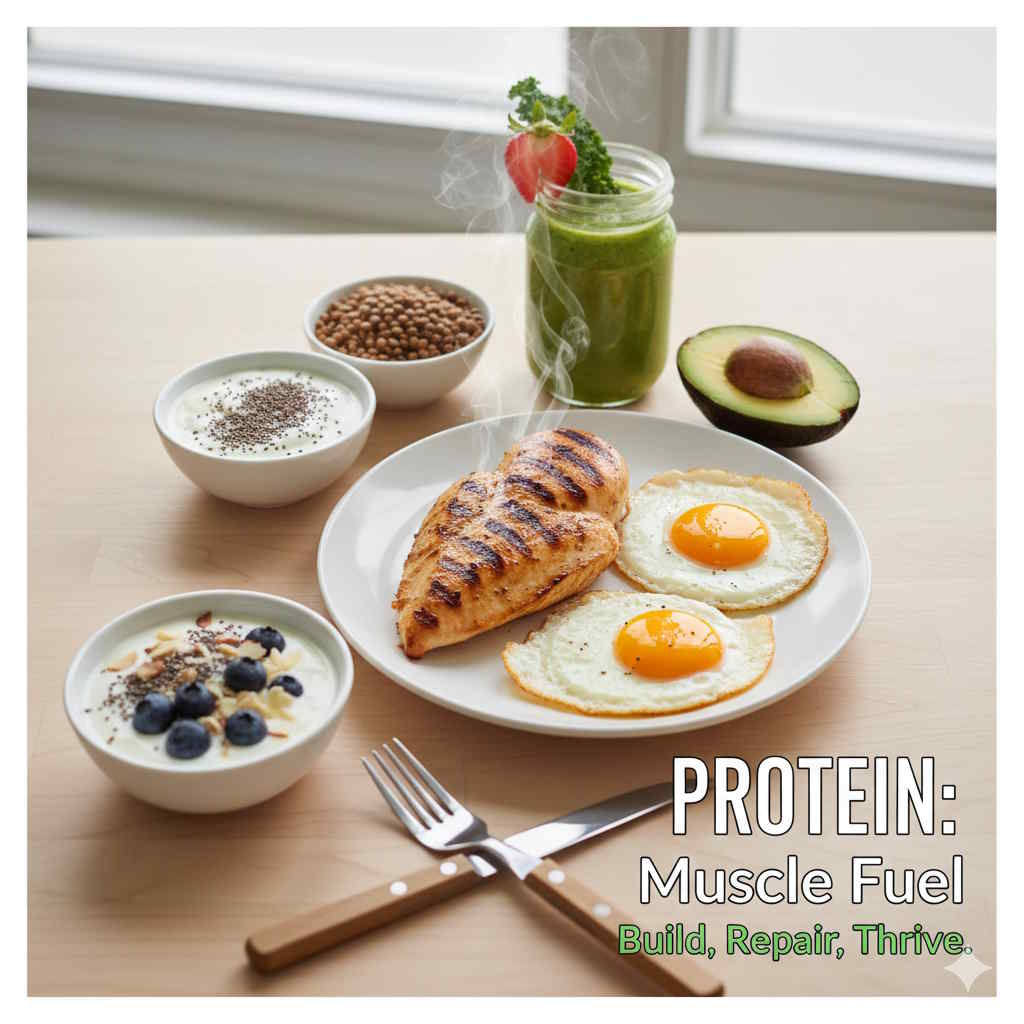
Pro Tip: Focus on high-quality sources like lean meats, eggs, Greek yogurt, or plant-based options like lentils and quinoa. Supplementing with whey or vegan protein powder is a convenient way to hit these targets if your lifestyle is busy.
Micro-Workouts: Why 5 Minutes Matters More Than You Think
Published: February 2026 | Reading Time: 4 min
The biggest barrier to fitness is time. We have been conditioned to believe that if we can't spend an hour at the gym, the workout "doesn't count." Science is now proving that "Micro-Workouts"—short bursts of activity lasting 3 to 10 minutes—can have a profound impact on your health.
Understanding NEAT
The secret weapon of micro-workouts is their contribution to **NEAT (Non-Exercise Activity Thermogenesis)**. NEAT accounts for the energy expended for everything we do that is not sleeping, eating, or sports-like exercise. By adding 5-minute movement "snacks" throughout your day, you significantly increase your daily metabolic rate.
The Benefits of Short Bursts
- Insulin Sensitivity: A 5-minute walk or a set of air squats after a meal significantly lowers blood sugar spikes.
- Mental Clarity: Short bursts of movement increase blood flow to the brain, acting as a natural "reset" button during work hours.
- Consistency: It is nearly impossible to find an excuse not to do a 5-minute routine.
How to Implement Micro-Workouts
Try the "3x5" rule: three 5-minute sessions per day.
- Morning: 5 minutes of stretching or sun salutations.
- Lunch: 5 minutes of brisk walking or stair climbing.
- Evening: 5 minutes of core work (planks and leg raises).
Totaling 15 minutes of movement daily may seem small, but over a year, this adds up to over 90 hours of additional exercise that you otherwise wouldn't have done.